|
| Pumpkin seeds |
Now that my hormone injection is wearing off it feels OK to try and balance my hormones - tackling oestrogen before might have impacted on the efficacy of the treatment? I was unable to establish how true that might be but it didn’t feel right adding more of anything into the body before the chemicals have made their way out….? I’d welcome others thoughts on this.
Hormone tests
 |
| Linseeds/Flaxseeds |
Ideas for my plan of action
1. Environmental Oestrogens - I touched on this in my last blog (see here) - and I have attempted to remove these from my life for many years but got much stricter after my cancer diagnosis. Nasha and Jess’ book lists some of the common ones to remove like dioxins, bisphenol-A, phthalates, papabens and more.
2. Stop eating commercial meat and dairy - I have also stopped this since diagnosis but will share in another blog more details about this.
 3. Detox - all hormones are processed by the liver so protecting and supporting the liver during an oestrogen detoxification protocol is paramount.. The latest adjustment to my protocol, a month ago, was to include a 4 week Liver Detox. There are loads of these around and I sought advice for my own situation from a naturopath; the Renew Life was recommended but I understand that the make up of it in the UK has changed and the newer version would not have been so suitable for me. However I was fortunate to find one of the last old packets on sale. In the morning the key ingredients of the capsule are dandelion root, turmeric root, artichoke leaf extract and tinospora cordifolia stem powder. In the evening they have powders of L-Methionine, N-Acetyl-Cysteine, DL-Alpha-Lipoic Acid and L-Taurine. A number of these I’ve covered previously in blog posts.
The impact of detoxing varies widely and in previous detoxs I’ve managed well with few side effects. However this time I have had a fair few headaches and feeling grotty at times. It is often hard to distinguish what is causing what. Certainly there is also an impact in terms of stress from staying and working at home and the last effects of the hormone injection that I had prior to the radiotherapy. The hot flushes have been worse and waking me several times at night again; could this also be the detox as well as the stress?
I have not managed to keep up with my four saunas each week, at times only managing once a week, however the evidence is clear that they can help. I also have not tried fasting for a host of reasons including my low body weight. While I won’t explore fasting now (despite significant benefits), I will recommit to the saunas.
I have not managed to keep up with my four saunas each week, at times only managing once a week, however the evidence is clear that they can help. I also have not tried fasting for a host of reasons including my low body weight. While I won’t explore fasting now (despite significant benefits), I will recommit to the saunas.
Another option to help with the detox which I was taking before is Milk Thistle (i); there are over 120 published studies in PubMed on the effects of milk thistle on the liver. However I have stopped this, as to do this alongside the Renew, would be overkill!
4. Eat healthy - key are phytoestrogens - these are weak forms of oestrogen and work the same way as human oestrogens. Nasha and Jess claim they are largely misunderstood in Western medicine and that it is the chemical oestrogens that should be avoided. If we eat a balanced diet with naturally occurring phytoestrogens our hormones will be balanced. While Chris Woollams writes about the importance of a Rainbow diet (vi). He highlights among many other useful tips that; "Pulses, beans, lentils, peas, chickpeas, green vegetables, carrots, red peppers, broccoli, cabbage and herbs all increase your phytoestrogens and protective carotenoids. In 1900 we derived 30 per cent of our protein from pulses; now it is less than 2 per cent. That is an example of how much our natural protection has declined".
4. Eat healthy - key are phytoestrogens - these are weak forms of oestrogen and work the same way as human oestrogens. Nasha and Jess claim they are largely misunderstood in Western medicine and that it is the chemical oestrogens that should be avoided. If we eat a balanced diet with naturally occurring phytoestrogens our hormones will be balanced. While Chris Woollams writes about the importance of a Rainbow diet (vi). He highlights among many other useful tips that; "Pulses, beans, lentils, peas, chickpeas, green vegetables, carrots, red peppers, broccoli, cabbage and herbs all increase your phytoestrogens and protective carotenoids. In 1900 we derived 30 per cent of our protein from pulses; now it is less than 2 per cent. That is an example of how much our natural protection has declined".
Here are some of the suggestions I've come across from various sources:
- Soy - some doctors will say avoid but the evidence is much less clear and points in my mind to soy being totally possible in my plan: see my previous blog here. Update 8/07/20: See this article re soy and breast cancer: https://nutritionfacts.org/2020/07/09/what-does-drinking-soy-milk-do-to-hormone-levels/
- Cruciferous vegetables - including broccoli, Brussel sprouts, cabbage, cauliflower, kale, radish and more. Studies show that DIM and indole-3-carbinol (I3C) are the active components. The highest concentrations are found in garden cress and mustard greens. I3C is released when these foods are chewed and converted to DIM by the action of the stomach acid. Interestingly fermented cruciferous veg doesn’t have the same amounts of I3C but they do have other benefits so I won’t exclude them but I can’t include them as being key in the hormone balancing plan! Indeed I eat lots of cruciferous veg, raw and sautéed daily but have also previously supplemented with the I3C (i) and am considering restarting supplementation to support the rebalancing. It is worth noting that curly kale is among the highest concentrations of lignans - more on lignans below - and also kale has the highest amount of kaempferol - another important factor for those of us living with cancer - again more on that below.
- Apples - they have calcium-D-glucarate in higher quantities than many other fruit and veg - this stuff apparently helps balance the microbiome and helps the body excrete oestrogen and environmental toxins. Smaller, green, wild crab apples are best - less sugar and more phytonutrients - but I struggle to get hold of any of those other than when the neighbours tree fruits. Indeed it is hard to get even green apples if you want organic.
- Ground flaxseeds (linseeds) - these have high concentrations of lignans and have been part of my protocol since soon after I was diagnosed. However I had not appreciated for a long time, that freshly ground flaxseeds easily oxidise, so should not be stored for longer than five hours or used in cooking. If you have to store then store in fridge. Amazingly in one study flaxseeds were shown to be just as effective as tamoxifen in reducing the reoccurrence of breast cancer and can slow the growth of breast cancer (ii). It seems ground flaxseeds lignans bind to oestrogen in the bowel and help eliminate it. They also can bind to male hormone receptors and promote the elimination of testosterone which Nasha and Jess suggest is helpful for prostate cancer prevention and management. Flax oil and whole flaxseeds do not have as much effect. See also previous blog about flaxseeds and their impact on Alpha-Linolenic Acid (iii). Suggested amounts of ground flaxseeds vary - but up to two to three tablespoons per day sounds liek what many are recommending.
- Sesame seeds - like flaxseeds they are a good source of lignan’s and have found to be just as beneficial as ground flaxseeds. They are thought to be one of our oldest foods and have been found to have many other benefits including immunoregulatory and anti carcinogenic activity. They are also prone to oxidation so keep in fridge and don’t cook at high temperatures. See more below about sesame seeds.
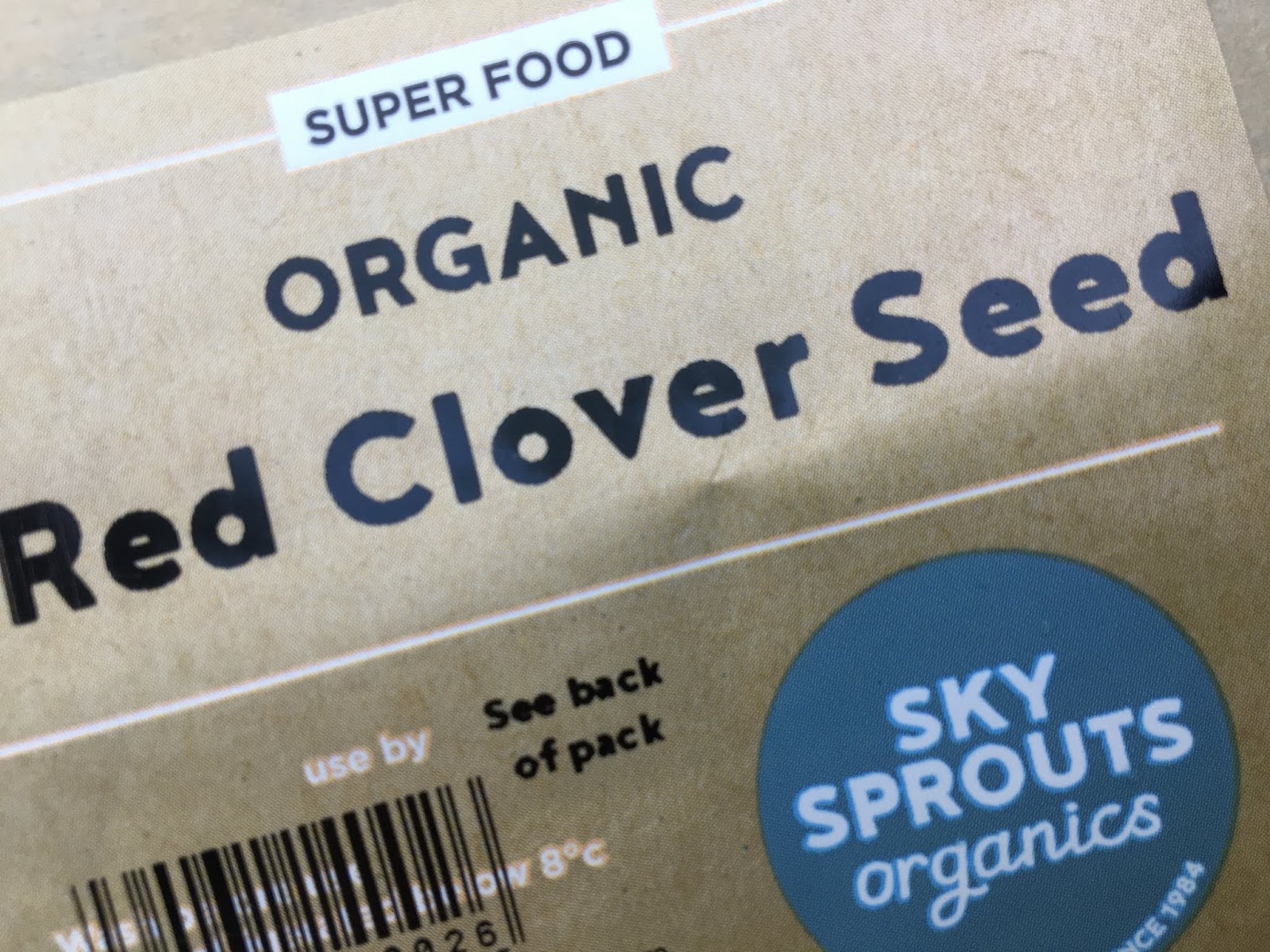
- Coumestans - Nasha and Jess note these ‘hormone-balancing stars’ are found in a variety of plants; highest in red clover sprouts, spinach and Brussell sprouts. Red clover is used to help with menopausal symptoms and has been shown to inhibit some cancers like ovarian but they warn that your doctor should monitor your body response.
- Soy - some doctors will say avoid but the evidence is much less clear and points in my mind to soy being totally possible in my plan: see my previous blog here. Update 8/07/20: See this article re soy and breast cancer: https://nutritionfacts.org/2020/07/09/what-does-drinking-soy-milk-do-to-hormone-levels/
- Cruciferous vegetables - including broccoli, Brussel sprouts, cabbage, cauliflower, kale, radish and more. Studies show that DIM and indole-3-carbinol (I3C) are the active components. The highest concentrations are found in garden cress and mustard greens. I3C is released when these foods are chewed and converted to DIM by the action of the stomach acid. Interestingly fermented cruciferous veg doesn’t have the same amounts of I3C but they do have other benefits so I won’t exclude them but I can’t include them as being key in the hormone balancing plan! Indeed I eat lots of cruciferous veg, raw and sautéed daily but have also previously supplemented with the I3C (i) and am considering restarting supplementation to support the rebalancing. It is worth noting that curly kale is among the highest concentrations of lignans - more on lignans below - and also kale has the highest amount of kaempferol - another important factor for those of us living with cancer - again more on that below.
- Apples - they have calcium-D-glucarate in higher quantities than many other fruit and veg - this stuff apparently helps balance the microbiome and helps the body excrete oestrogen and environmental toxins. Smaller, green, wild crab apples are best - less sugar and more phytonutrients - but I struggle to get hold of any of those other than when the neighbours tree fruits. Indeed it is hard to get even green apples if you want organic.
- Ground flaxseeds (linseeds) - these have high concentrations of lignans and have been part of my protocol since soon after I was diagnosed. However I had not appreciated for a long time, that freshly ground flaxseeds easily oxidise, so should not be stored for longer than five hours or used in cooking. If you have to store then store in fridge. Amazingly in one study flaxseeds were shown to be just as effective as tamoxifen in reducing the reoccurrence of breast cancer and can slow the growth of breast cancer (ii). It seems ground flaxseeds lignans bind to oestrogen in the bowel and help eliminate it. They also can bind to male hormone receptors and promote the elimination of testosterone which Nasha and Jess suggest is helpful for prostate cancer prevention and management. Flax oil and whole flaxseeds do not have as much effect. See also previous blog about flaxseeds and their impact on Alpha-Linolenic Acid (iii). Suggested amounts of ground flaxseeds vary - but up to two to three tablespoons per day sounds liek what many are recommending.
- Sesame seeds - like flaxseeds they are a good source of lignan’s and have found to be just as beneficial as ground flaxseeds. They are thought to be one of our oldest foods and have been found to have many other benefits including immunoregulatory and anti carcinogenic activity. They are also prone to oxidation so keep in fridge and don’t cook at high temperatures. See more below about sesame seeds.
- Coumestans - Nasha and Jess note these ‘hormone-balancing stars’ are found in a variety of plants; highest in red clover sprouts, spinach and Brussell sprouts. Red clover is used to help with menopausal symptoms and has been shown to inhibit some cancers like ovarian but they warn that your doctor should monitor your body response.

I have recently sprouted some red clover and also have in the past been a drinker of Sir Jason Winters tea! He does several varieties of tea that include red clover and some have suggested they could be useful for cancer. He makes no such claims. One of the tea recipe mixes has chaparral and one has sage. Well, sage is supposed to be great for those of us with hot flushes; they didn’t seem to help. I am also aware you need to take sage with care as it can interact with many drugs and is poisonous if taking too much. Having said that a friend found it very useful in a tea several times a day to help manage his flushes. Chaparral has much less research and no evidence re impact on cancer - it also needs care when taking, as among other things, it can impact with the liver and also should be taken with other herbs like uva ursi or borage. Red clover is also a key ingredient of the Essiac tea; a famous brew that I have also tried but that is for another blog. It is worth noting that it is often the synergistic effect of the herbs that makes them more potent and useful in tackling cancer.
- Flavonols - another ‘hormone-balancing star’ is found in cocoa (over 85%), onions, kale (yet again), cranberries and romaine lettuce. These dietary flavanols have been found to reduce breast and pancreatic cancer risk. It is the flavanols that include compounds like quercitin and kaempferol - these have been found to be useful - particularly kaempferol where it can be used to help reverse breast cancers resistance to some of the chemotherapy agents.
- Rosemary - a sacred plant with several anti-cancer and hormone balancing properties. It seems it can help remove oestrogen and also protect against the nasty HCAs that come from meat cooked at high temperatures - that’s why they say throw Rosemary on barbecue meat.
- Thyme - has anticancer effects and one study showed it induced significant cytotoxicity in breast cancer cells (iv). Nasha and Jess suggest a few sprigs in your warm lemon water in the mornings.
- Flavonols - another ‘hormone-balancing star’ is found in cocoa (over 85%), onions, kale (yet again), cranberries and romaine lettuce. These dietary flavanols have been found to reduce breast and pancreatic cancer risk. It is the flavanols that include compounds like quercitin and kaempferol - these have been found to be useful - particularly kaempferol where it can be used to help reverse breast cancers resistance to some of the chemotherapy agents.
- Rosemary - a sacred plant with several anti-cancer and hormone balancing properties. It seems it can help remove oestrogen and also protect against the nasty HCAs that come from meat cooked at high temperatures - that’s why they say throw Rosemary on barbecue meat.
- Thyme - has anticancer effects and one study showed it induced significant cytotoxicity in breast cancer cells (iv). Nasha and Jess suggest a few sprigs in your warm lemon water in the mornings.

- Mushrooms - there is a lot of research around breast cancer and oestrogen so it was great to see this two minute film from Michael Gregor here (vi) when he looks at the top seven veg that has an impact on oestrogen - bell peppers, broccoli, carrots, celery, green onions, and spinach dropped aromatase activity by about 20%, but it was mushrooms that forced down the estrogen-producing enzyme more than 60% - even button mushrooms were shown to have an effect. Research since doesn’t have quite the same huge results but still strong indications that mushrooms are likely to have an impact on cancer.
Update 24 Note 2024: Latest research supports the idea that white mushrooms may help to prevent prostate cancer progression: https://www.news-medical.net/news/20241112/Study-uncovers-why-white-button-mushrooms-may-help-prevent-prostate-cancer-progression.aspx

- Nettle root - see blog post in next days on this and my visit to an intuitive herbalist - update 28/04/20: see blog re nettle root here.
- B vitamins - update 28/04/20 - it was suggested this is one key item I missed off this list; B3 for example is key in oestrogen metabolism and detoxification while B6 binds to oestrogen helping to detox excess amounts of these hormones. B1 and B2 have been shown to get rid of oestrogen in rats. However there are also some studies showing that B vitamins may play a role in the creation of oestrogen in some situations so do check it out; on balance where I am at I will do a short course of B vitamins as they are also very helpful with stress.
- Boron - update 28/04/20 - another suggestion since completing this blog is boron - I have taken this on and off since being recommended in Germany while on my hormone treatment. Apart from other benefits previously covered Boron is also necessary for the metabolism of the sex hormones testosterone and estrogen - researchers believe that boron influences estrogen receptors by allowing the body to more easily use the estrogen available.
Seed cycling
I’ve not tried this but it intrigues me...Seed cycling is basically a naturopathic remedy that aims to balance oestrogen and progesterone levels by eating flax and pumpkin seeds during the first half of the menstrual cycle and sunflower and sesame seeds during the second half. However Nasha and Jess suggest it could be useful for men too. So it would work like this:
Days 1-14 (after the new moon for men or following menstruation for women); 1 tablespoon each of ground flaxseeds and ground pumpkin each day - can add fish oil if suitable during this time.
Days 15-28; 1 tablespoon each of ground sunflower seeds and ground sesame seeds each day - can add primrose oil during this time. Sesame seeds are available with their hulls intact (unhulled) or with the shells removed (hulled). The unhulled are higher in calcium, which has been shown to reduce symptoms in the luteal phase but are high in oxalates which may not be appropriate for some people.
Sprinkle your ground seeds into oatmeal, on salads, in yogurt, or blend into smoothies. It is apparently useful to avoid the seeds you are not having ie in days 1-14 avoid sunflower and sesame seeds. However it seems there is no medical evidence (bar that on the flaxseeds) to support the impact of the seed cycling but I’ve now seen a number of claims about it being helpful (v).
What else?
I’ve probably missed lots….clearly this is a tricky area and as always check out with your doctor and I say again this is only my thoughts based on what I have read. Do do your own research for what you need and check into your intuition (vii). Other key factors to consider include ensuring good sleep and ensuring your liver and microbiome are working well. The focus of this blog has been oestrogen; there are of course other important hormones like cortisol which needs at least one blog to itself! Melatonin is another key hormone that also impacts on oestrogen - Chris Woollams of CancerActive writes of it:
I’ve not tried this but it intrigues me...Seed cycling is basically a naturopathic remedy that aims to balance oestrogen and progesterone levels by eating flax and pumpkin seeds during the first half of the menstrual cycle and sunflower and sesame seeds during the second half. However Nasha and Jess suggest it could be useful for men too. So it would work like this:
Days 1-14 (after the new moon for men or following menstruation for women); 1 tablespoon each of ground flaxseeds and ground pumpkin each day - can add fish oil if suitable during this time.
Days 15-28; 1 tablespoon each of ground sunflower seeds and ground sesame seeds each day - can add primrose oil during this time. Sesame seeds are available with their hulls intact (unhulled) or with the shells removed (hulled). The unhulled are higher in calcium, which has been shown to reduce symptoms in the luteal phase but are high in oxalates which may not be appropriate for some people.
Sprinkle your ground seeds into oatmeal, on salads, in yogurt, or blend into smoothies. It is apparently useful to avoid the seeds you are not having ie in days 1-14 avoid sunflower and sesame seeds. However it seems there is no medical evidence (bar that on the flaxseeds) to support the impact of the seed cycling but I’ve now seen a number of claims about it being helpful (v).
 |
| Laser cut paper by Rogan Brown; imagining a microbiome |
What else?
I’ve probably missed lots….clearly this is a tricky area and as always check out with your doctor and I say again this is only my thoughts based on what I have read. Do do your own research for what you need and check into your intuition (vii). Other key factors to consider include ensuring good sleep and ensuring your liver and microbiome are working well. The focus of this blog has been oestrogen; there are of course other important hormones like cortisol which needs at least one blog to itself! Melatonin is another key hormone that also impacts on oestrogen - Chris Woollams of CancerActive writes of it:
"Importantly, it regulates our natural oestrogen and growth hormone levels, has 5 epigenetic ways of correcting cancer cells and will affect the receptor sites that oestradiol would like to jump on. Research suggests supplementation, and even top US cancer center Sloan Kettering feel it has a clear action against estrogen-driven cancers and helps relevant drugs become more effective” (vi).
I have also written about Melatonin here (viii) but at the moment it still does not feel right for me to supplement with it.
Update 16/5/22 On hormones: https://www.canceractive.com/article/the-reality-of-lowered-testosterone-and-higher-oestrogen-in-men-counters-orthodox-theories-of-prostate-cancer
Update 4/7/22: 'first direct evidence that human prostate progenitor cells are estrogen targets and that estradiol in an androgen-supported milieu is a carcinogen for human prostate epithelium': https://www.ncbi.nlm.nih.gov/pmc/articles/PMC3100619/
Update 4/5/2026: See Canceractive on oestrogen: https://www.canceractive.com/article/10-ways-to-cut-estrogen-levels-naturally
(ii) For example see: https://pubmed.ncbi.nlm.nih.gov/15897583/
(iii) https://myunexpectedguide.blogspot.com/2019/07/another-look-at-my-ethythrocyte.html
(iv) https://www.tandfonline.com/doi/abs/10.1080/01635581.2012.719658
(iii) https://myunexpectedguide.blogspot.com/2019/07/another-look-at-my-ethythrocyte.html
(iv) https://www.tandfonline.com/doi/abs/10.1080/01635581.2012.719658
(v) https://hormonesbalance.com/articles/how-to-use-seed-rotation-to-rebalance-your-menstrual-cycle/