Thursday, 29 October 2020

Genetics; what we need to know before chemotherapy or radiotherapy?

I first published this blog on the Yes to Life website here following a great Forum put on by Yes to Life's Wigwam Cancer Support Group - in that we heard Dr Peter H Kay talk about genetics and more (i). It does seem extraordinary that this issue is not being more considered by the NHS? I would hugely welcome any feedback from others about their experiences? Is this something patient groups should be campaigning on?

Genetics is more than complicated to get my head around. Some regular blog readers might have seen my earlier blogs looking at the role of p53 and my own cancer here and the key role of epigenetics here. Well in thsi blog Peter kindly cast an eye over it before I published so hopefully this will make sense to folks.

What we need to know before chemotherapy or radiotherapy?

Dr Kay on Zoom
I recently joined one of the Wigwam cancer support group forums (i) with Dr Peter H Kay who introduced us to the idea that our genetic profile can significantly influence whether chemotherapy or radiotherapy will be helpful or harmful. For example studies into chemotherapy have shown that about 25% of patients die or have a shortened life because of this form of treatment.

The information that Peter shared in the forum made it one of the most important talks I’ve heard about conventional treatment. It is complicated. The language alone is enough to give me a headache. Yet as I grappled with the science it became increasingly clear that this information should be in the hands of more people. Indeed why are the NHS not routinely testing in the way Peter suggests?

In the talk Peter, who is an Australian trained Molecular Pathologist, Immunopathologist and Cancer Specialist, discussed the significance of some of the more important genetic aspects to be considered to optimise the effectiveness of chemotherapy. Considerations include reference to the genes that encode the proteins p53 and CYP2D6 as well as a gene called MDR1. The gene MDR1 encodes a protein that causes multidrug resistance. He also spoke briefly about the importance of oxygen in radiotherapy. I will introduce them in more detail below.

TP53

The gene TP53 encodes a protein called p53. The protein p53 plays a very important role in many aspects of development, progression and treatment of cancer. It is a type of tumour suppressor protein that inhibits the development of tumours. It has been called “the guardian of the genome,” and when inactivated, it permits the growth and spread of cancer. Around half of all cancer cells have developed a mutant form of the TP53 gene.

Broadly speaking it seems there are two types of mutations; germline and somatic. Germline mutations are heritable. These mutations are present from birth and affect every cell in the body. Genetic tests are now available and folks can check for several germline mutations that increase cancer risk, such as mutated BRCA1 and 2 genes. Germline mutations in the TP53 gene are not common. Indeed it should be noted that less than around 7% of all cancers are due to germline gene mutations. Most cancers are associated with a somatic mutation.

Somatic mutations are acquired. They are not present from birth but come about from the process of a cell becoming a cancer cell. In contrast to germline mutations there are a wide range of cancers that are associated with somatic mutations in the TP53 gene including most lung cancers and 20-40% of breast cancers. Somatic mutations are only present in cancer cells and not in other cells in the body.

Damage to the TP53 gene can be due to cancer-causing substances in the environment (carcinogens) such as cigarettes but often the toxin leading to the mutation is unknown. Mutations are also caused by exposure to radiation and ultraviolet light and viruses. Somatic mutations also occur when DNA repair genes are faulty.

Reading lots to try and understand!

Recent studies have shown that the presence of mutant forms of TP53 may reduce the benefits of chemotherapy and radiotherapy.

DNA sequencing tests can easily be done on DNA samples isolated from a blood sample or a cheek swab to identify germline mutations. Somatic mutations however can only be identified by sequencing DNA or RNA isolated from the cancer cells themselves, usually requiring a biopsy.

If a cancer is found to have a somatic TP53 mutation, other forms of treatment, other than chemotherapy or radiotherapy, may be more suitable

Update 2.10.23: See CancerActive article: https://www.canceractive.com/article/tp53-p53%20and%20cancer

CYP2D6

Many chemotherapeutic drugs are administered in an inactive form called a pro-drug. When pro-drugs are absorbed into the bloodstream, they need to be activated by certain enzymes within the cytochrome P450 enzyme system   before they can be of help. CYP2D6 is a key pro-drug activating enzyme that is encoded by the CYP2D6 gene mainly in the liver. It plays a key role in the metabolism and elimination of the drugs and toxins we ingest.

We inherit different functional forms of cytochrome P450 family members such as CYP2D6. Some people inherit CYP2D6 enzymes that work very poorly. These people may not activate pro-drugs adequately for drugs to be effective. Others inherit CYP2D6 enzymes that are highly active. These people may activate pro-drugs too quickly leading to an overdose effect. Most drugs are designed to work best in those who have inherited a CYP2D6 enzyme with intermediate activity.

An example that is currently being researched is Tamoxifen. This treatment can reduce a woman’s risk of developing a second primary breast cancer, but there is substantial variability in response to treatment. Some of this may be attributed to germline genetic variation because Tamoxifen is a pro-drug activated by CYP2D6.

MDR1

Many cancer patients develop resistance to the very chemotherapy drugs designed to kill their cancer. Even more problematic, it seems that once a patient’s tumour is resistant to one type of chemotherapy, it is much more likely to be resistant to other chemotherapies as well. This is known as multidrug resistance. Once patients reach this point, the prognosis is often poor.

Several genes are recognized as playing a role in multidrug resistance in cancer; key amongst these is the multidrug resistance-1 gene (MDR1). MDR1 inhibitor drugs have sadly not been successful in clinical trials with cancer and it is now thought the reason maybe because it impacts on our natural immune responses (ii).

Development of multidrug resistance by cancer cells is the greatest obstacle against efficacy of chemotherapy. Multidrug resistance is often referred to as the “Oncologist’s nightmare”. Knowing the extent of MDR1 gene expression in cancer cells would be useful in determining further chemotherapy or not. If multidrug resistance is present in cancer cells, then other treatment options such as immune based therapies should be considered.

Tests for the presence of multidrug resistance require a sample of the cancer cells usually by way of a biopsy.
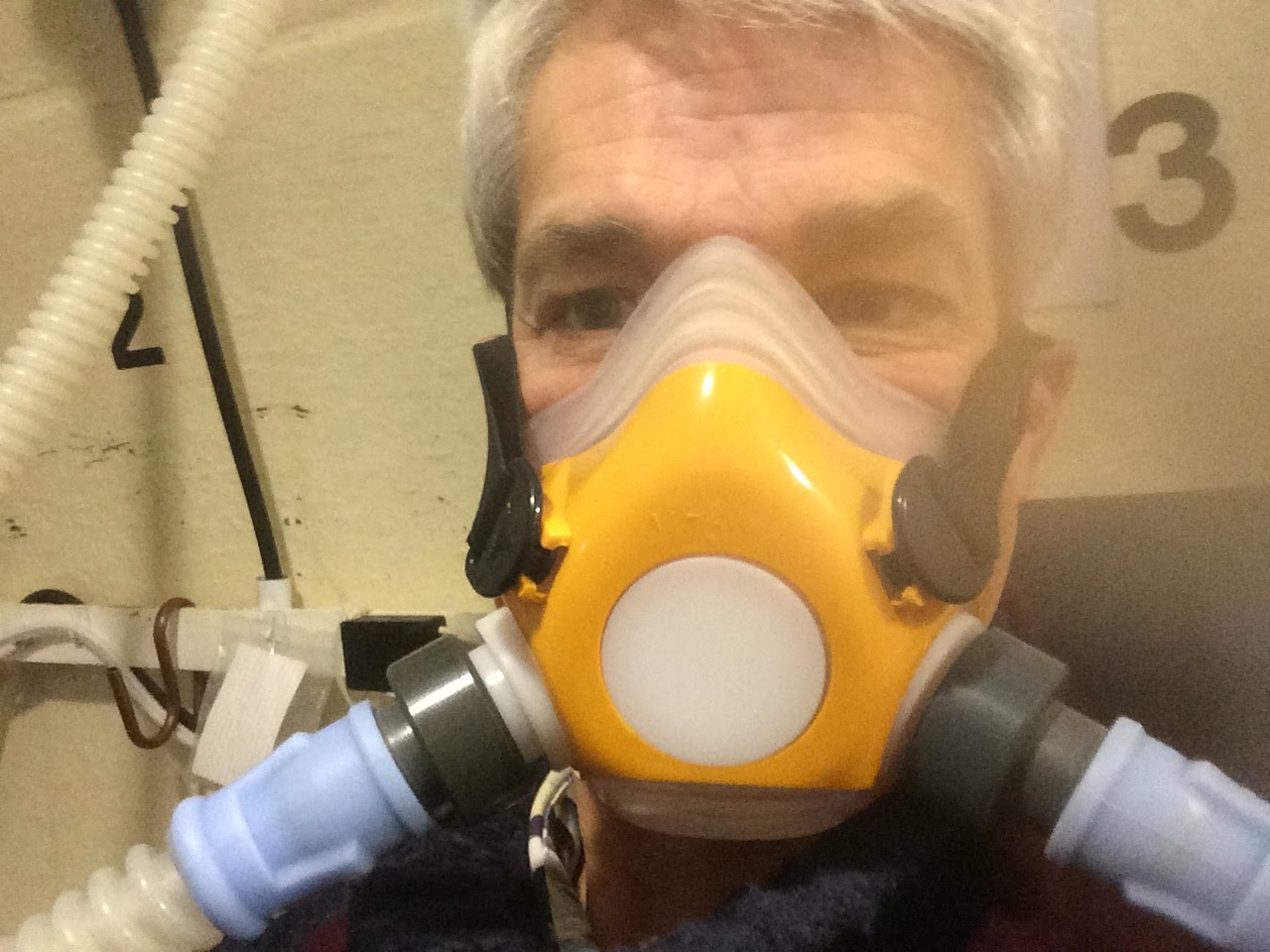
See my blog & film re hyperbaric oxygen here

Oxygen and radiotherapy

Radiotherapy is about using shaped beams of high radiation energy, light or particles to induce cell death in tumour cells, whilst sparing healthy cells; up to 60% of cancer patients will receive radiotherapy in the course of treatment.

Yet we don’t get to hear about oxygen and the key role it plays in the replication of cells and growth of tumours. Research has shown that oxygen deficient tumours create their own networks of blood vessels to sustain themselves and develop their capacity to metastasis (ie spread the cancer to other parts of the body).

Oxygen also plays a key role in radiotherapy; a well oxygenated tumour responds up to three times better than those with less oxygen. Knowing this opens up huge possibilities for cancer treatment, one very promising example being researched is to have hyperbaric oxygen before having radiotherapy. There seem to be similar benefits from this approach with chemotherapy.

Good news story

Recently work is being done around the widely used fluoropyrimidine chemotherapy drugs such as 5-fluorouracil (5-FU). This powerful class of drugs is proving useful in the treatment of many cancers.

The fluoropyrimidine class of drugs are usually administered intravenously in an active form.  They are metabolised by the enzyme dihydropyrimidine dehydrogenase (DPD) enzyme encoded by the DPYD gene. The problem is that around 5% of people have a genetic deficiency of DPD and less than 0.1% of people have a complete deficiency. This means they are unable to break down the chemotherapy agents and in a small number of cases it will lead to rapid life threatening toxicity.

The good news is that some NHS hospitals, like Manchester, have started to save lives by screening for the DPYD genotype prior to fluoropyrimidine treatment (iii). When will they also start to look at other genetic tests?

Where can we get tests done?

In view of the benefits of genetic testing for germline and somatic cell mutations, it is possible that oncologists, clinicians and general practitioners will have access to helpful genetic tests locally within the NHS system (iv). You should seek these tests from them.

Other approaches

In recent times, new immune based treatments like CAR-T cell therapy and immune checkpoint therapy and the use of monoclonal antibodies have been developed by harnessing elements of the immune system. These immune based treatments avoid many of the problems associated with chemotherapy and radiotherapy. Let us hope these and other treatments will provide more answers and ways forward.


It is also worth mentioning epigenetics. We may not be able to change our genetics but we are not a victim of them. What we can change is the expression of our genes – and that’s what epigenetics is about. Some of the epigenetic changes may have a serious impact like cancer, but it is clear that these can still be modified by lifestyle choices and environmental influence.

Understanding our genetics can play a key role in choosing conventional treatments like radiotherapy and chemotherapy – but also adding support like lifestyle and complementary approaches. It would be great to have access to these important genetic tests on the NHS. Having access to this information could have a significant impact on the quality of lives; avoiding for example, harsh chemotherapy treatments that have no benefits.

Course on offer

Peter has prepared a course based on past and present advances to provide a wide range of genetic, biochemical, metabolic and immunological information. It is aimed at patients, practitioners and students of the health sciences to enable them to understand many aspects of the development, progression and treatment of cancer. The normal charge for the course is £200, however, if interested, members of Wigwam support groups can take the course for £100. For details and further information contact Dr Peter H Kay at: peterhkay@gmail.com

Notes

Philip would like to note his thanks to Dr Peter H Kay for the talk and acknowledge that this blog is based on his understanding gained from Dr Kay. Philip also notes that of course people should consult their cancer specialist before making any decision that could affect their treatment.

(i) For Wigwam Forums see: https://www.wigwam.org.uk/forums-and-webinars

For a video of Peter’s Forum with Wigwam register on the Wigwam website in top right hand corner to get access to the talk:

https://www.wigwam.org.uk/resources

You can also hear Peter in a Yes to Life Radio Show: https://www.ukhealthradio.com/blog/episode/critical-information-molecular-pathologist-and-cancer-specialist-dr-peter-kay-wants-people-considering-chemotherapy-to-be-aware-of-genetic-tests-that-could-save-their-lives/

(ii) https://www.sciencedaily.com/releases/2020/04/200417114440.htm

and https://www.ncbi.nlm.nih.gov/pmc/articles/PMC2915407/

(iii) https://mft.nhs.uk/dpyd/

(iv) Genelex in USA offer CYP2D6 and DPYD typing. See  https://www.genelex.com/test-menu/

Friday, 23 October 2020

Starving cancer; new documentary

This excellent 30 minute film below 'Should We Starve Terminal Cancer’ came out earlier this month on YouTube. This documentary follows Yvonne's experience of starving her cancer, alongside the NHS standard of care. She uses cheap, existing drugs - sometimes called ‘off-label’ - typically used for diabetes or as anti-malarials - alongside a plant-based diet and supplements.

More than two years ago I met and talked to Jane McLelland, author of the book, ‘How to Starve Cancer’. She was one of the first, if not the first, to share her story and learning about how to starve her cancer. You can see my brief film with her here (i). Jane's website summarises her journey: "Diagnosed with terminal cancer in the prime of her life, and with no viable treatment options, she used herself as a human guinea pig, putting together a cocktail of low toxicity drugs, not normally used for cancer, alongside a low glycaemic diet and powerful supplements. These ‘starved’ her cancer of glucose, glutamine and fat, which she demonstrates with her ingenious, easy-to-follow ‘McLelland Metro Map’."

Jane now has over 31,000 followers on her Facebook page, her book is being republished, she has won an ‘Amazing Women Global’ life-time achievement award for her work and she is also launching a course in the next weeks - I’m already signed up.  

It is Jane’s approach of starving cancer that is the basis of this film - and Yvonne now believes she is living a healthier life with her cancer than she was before her diagnosis. The documentary investigates various aspects of starving cancer, and speaks to those who swear by it and totally refute it. I think it is a powerful and hugely informative film - a great introduction to what is a very complex field. I would strongly recommend it as a starting point to understanding this approach more. Big thanks to the documentary’s producer, Saffron Amis and director, Frederick Ferguson.


Notes


You can get 40% of the book now on Jane's website and sign up for her newsletters: https://www.howtostarvecancer.com/


Sunday, 11 October 2020

A look at Coconut oil

In 2018 a headline in The Independent screamed: 'Coconut oil is ‘pure poison’ Harvard professor claims’ (i). Dr Karin Michels, professor at the Harvard TH Chan School of Public Health and director of the Institute for Prevention and Tumour Epidemiology at the University of Freiburg, argues that coconut oil is “one of the worst foods you can eat” due to the damaging effect the saturated fatty acids in the coconut oil can have on your body.

To me this is deeply unhelpful. As nutritionist Lily Soutter says "Claiming that any one food is a poison can be dangerous as it instils fear around food." 

Coconut certainly seems to divide opinion. In recent years we’ve seen the claims like this report that coconut oil is poison and we’ve also seen folks go crazy for coconut with claims like it boosts our immune system and can be beneficial for Alzheimer's disease. Unfortunately a number of the health claims for coconut oil seem to be based on studies that used a special formulation of coconut oil made of 100% medium-chain triglycerides (MCTs) (ii). This is not the coconut oil available in shops. Indeed the coconut we buy in the UK contains mostly lauric acid.

Cooking with fats and oils

Kirsten Chick, a nutritional therapist, who spoke at the Your Life and Cancer weekend, raises the question of cooking with fats in her new book, ‘Nutrition Brought to Life’ (2020). Heat will cause unsaturated fatty acid rich oils to go rancid faster. It is why we keep them in dark bottles/cupboards and buy cold-pressed. She notes that for years we’ve been encouraged to cook with oils like olive and rapeseed which have some of the highest unsaturated fatty acid contents. 

Yet we don’t know enough about rancid oils from the oxidation - or oils that have also been damaged by the heat. Kirsten says some research suggests they maybe more difficult to digest which may aid inflammation? We also know that high levels of cancer forming aldehydes occur in heated unsaturated fatty acid rich oils. Interestingly it seems from new research that coconut oil and butter have the fewest unsaturated fatty acids - coconut oil performed particularly well in tests under heat compared to others. 

So the research confirms that if you cook with fats/oils use ones that have low levels of unsaturated fats - in other words not the corn or sunflower oils that have been suggested in the past for cooking. Kirsten concludes that appropriate levels of saturated fats within a balanced diet are healthy.
 
Update 12/10/20: Just been sent this new article that concludes similarly it should be used in moderation - however they argue it is best not used in cooking (!) - this is the opposite to nutritionist Kirsten Chick noted above and research she quotes specifically looking at using fats at high temperatures: https://www.createcures.org/the-healthy-properties-of-coconut-oil/

Update 28.01.24: I just read an interesting study where they heated a number of common oils including extra virgin olive oil (EVOO) to 240°C and then held the oils at 180°C for 6 hours,. The concluded: “EVOO yielded low levels of (unhealthy) polar compounds and oxidative by-products (compared with other oils). EVOO’s fatty acid profile and natural antioxidant content allowed the oil to remain stable when heated (unlike oils with high levels of polyunsaturated fats [PUFAs] which degraded more readily).”
 

But what of cancer?

Looking generally at cancer, Lizabeth Gold, Head Dietician at the The Block Center for Integrative Cancer Treatment in Chicago, responding to a question about coconut oil at the Your Life and Cancer weekend (Oct 2020) said we should be limiting overall intake; plant-based oils are better but it is best that coconut "should not to go beyond 8-10% of intake of fats”
 

And prostate cancer particularly?

Chris Woollams of Canceractive writes: ”Saturated fat intake is linked to an increased risk of aggressive prostate cancer and an increased risk of fatal prostate cancer; whereas good fat like fish oil EPA reduces risk and mono-unsaturated fats show no raised risk (iii)” In his article he writes that coconut oil is linked to chronic inflammation as it has twice the saturated fat content of lard. Chris also quotes Professor Thomas Seyfried, the Boston College champion of the Ketogenic Diet saying he wouldn’t touch it and goes onto argue folks should take lycopene and lots of raw ginger.

In a major review looking at ‘Lipids and Prostate Cancer’ (2012) they note: "Several epidemiological studies have suggested increased consumption of saturated fatty acid correlates with increased risk of prostate cancer and reduced progression-free survival; however others report no significant association (iv)". Most of the studies don’t differentiate the type, quality or quantity of the fat, and may not disaggregate other factors for example people who eat a diet high in saturated fats from processed foods may do less exercise, be more overweight etc. Interestingly palm oil, a saturated fat often lumped in the research of saturated fatty acids, has been shown to have carcinogenic effects in animal studies. So does some of the research reflect that?

Energy ball; made with coconut oil?
Toral Shah, Nutritional Scientist and Functional Medicine Practitioner, who was another speaker at Your Life and Cancer agrees that it coconut oil is better than other saturated fats so she would use for cooking but not putting in all food. Interestingly in answer to a question I raised at the conference about fats and prostate cancer, she says we don’t yet understand the link. Toral asks "Is it the fat itself or is it the diet and the whole being obese?” Then goes onto say we know there is a link between a diet high in saturated fats and obesity, we know obesity increases the risk of prostate cancer, so would a low fat diet be about reducing weight to change the metabolism to improve health and outcomes with cancer or is it the fat itself?
 

Conclusions

We are all different and metabolise differently so I guess we all have to make up our own mind. Hopefully more research can help in the future. To further confuse there are wider questions about what else we are eating - I’ve not managed to get my head around the various ketogenic diets and still not written up my wider approach to nutrition in this blog. However it seems to me that the benefits of coconut oil have been overstated and I heed the comments made specifically about saturated fats and coconut oils. It would also seem to make sense, (bearing in mind the research that Kirsten Chick quotes), that if cooking then maybe that is the time for a small amount of coconut oil - there don't seem to be many oils that work for cooking!
 
Then the way to go the rest of the time is a modest intake of olive oil along with foods rich in fatty acids such as oily fish, avocado, nuts and seeds, etc. This re-confirms my view of 18 months ago when I mentioned coconut oil in a blog then (vi).

To finish I love this comment from a nutritionist: "The more I read the more I’m convinced that what we put into the diet – especially in terms of vegetables and some fruit – is more important than what we take out, there’s some wonderful literature emerging on the potent anti-cancer benefits of plant bioactive compounds, all from everyday, delicious foods like berries, broccoli, mushrooms, green tea, garlic, spices and herbs (amongst many others!), also feels a much more positive approach than the ‘shalt nots’. All a balance of course but that’s exciting for me”. 

Friday, 25 September 2020

Daddy’s Boys – a play tackling prostate cancer disparity in African-American men

I recently came across a series of funny, sensitive videos that tackles some of the silence around black America’s prostate cancer crisis - a situation not dissimilar to the UK. 

I’ve covered a bit here with my film of two wonderful activists about raising awareness and the local Prostate group in Gloucester - I also know the Black community in Gloucester have done some great awareness raising work. One in Four Black Men will get Prostate Cancer. For the rest of guys the stats are one in eight will get prostate cancer. You can see more about the reasons why this is so important in my blog about Yes to Life standing in solidarity with Black Lives Matters.

The Prostate Health Education Network (PHEN) worked with GDavis Productions to produce Daddy’s Boys. The story is about Jessie, a father of three living with a prostate cancer diagnosis. The PHEN motto is: “Knowledge is the best defense against prostate cancer.” Hence the series has lots of good info as well as challenging the taboos and silence. 
 
Apparently half the audiences are someone with prostate cancer or a family member - and they say they are also hoping this will educate women as they often have some influence over the men in their lives. Certainly the dramas will aid communication and enable folk to better support people - just knowing you can talk means people feel less alone - and plays/drama/creativity is such a great way to raise awareness.

See first two episodes at: https://www.daddysboys.net/tickets and they are hoping to tour again next year - sadly I guess they won’t come here but maybe there is a UK project that is similar?

Update 30/10/20: Here's some interesting new research which is better news - 'Black Men Have Better Outcomes From Radiation-Based Tx for High-Risk PCa': https://www.oncologynurseadvisor.com/home/cancer-types/prostate-cancer/racial-differences-radiotherapy-prostate-cancer-recurrence-metastasis/


Thursday, 10 September 2020

UKs biggest integrative cancer health event ever?

'Your Life and Cancer' is quite likely to be the biggest ever integrative cancer health event in UK - with over 40 global experts - I can't resist giving it another plug here - there is a very short film below and I previously blogged about it here: https://myunexpectedguide.blogspot.com/2020/09/your-life-and-cancer-2020-weekends.html

From just £25 per weekend, I'm hoping many folks will be able to come and support the events - but also this is about shifting our health services to be more open to the proven lifestyle and complementary approaches that can play such a significant part in healing. Register at: https://www.yourlifeandcancer.com/register


Friday, 4 September 2020

How to embed new behaviours

Juicing every morning
It’s all very well talking about stuff like exercise, times to eat, self massage and more (see ‘Getting the basics Right’ blog here or ’Showering Like James Bond’ here) (i), but the biggest challenge is often how to make those behaviours part of everyday life. There is loads and loads written about 'behaviour change’ but I’ve not found it so accessible. In this blog I want to start by looking at broad approaches to change but then look at ways I have found useful.

A while back for work I went on an online half day ‘Healthy Lifestyles’ course. It looked at drivers and enablers to making change - so for example if someone says ‘I want to feel less stressed and know how it is to be relaxed’ this might be a useful ‘driver’ to helping them to improve wellbeing. On the course there was also lots about how to work with helping someone make changes. Interestingly if you take responsibility for helping the change then the person will often take the other view - this even has a name; ‘the righting reflex’. So staying away from telling someone is key and instead try to reflect back what the person is saying. If you hear 'change talk’ then explore and clarify to enable the person to come up with the answers.

The course was great at helping folk explore where they are and changes they may wish to make. However I always get a little cross with all that, as so many of these approaches focus on the individual - and this seems to play into wider societal views that blame individuals for problems (ii). So for example overweight people are fat because of their personal choices about eating and exercise. This ignores the role of economic status, upbringing, genetics, neighbourhoods being less walkable, the explosion in cheap fast-food and processed foods, and the way parents talk to their children about weight - all of these have an impact on obesity. It is also over forty years since Susie Orbach wrote, ‘Fat is a Feminist Issue’; we really don’t seem to have learnt much over those years (see Suzie comment in The Guardian here) (iii)!

A research paper in 'Health Affairs’ they explore this idea of personal responsibility, they write (iv): "The notion that obesity is caused by the irresponsibility of individuals, and hence not corporate behavior or weak or counterproductive government policies, is the centerpiece of food industry arguments against government action. Its conceptual cousin is that government intervention unfairly demonizes industry, promotes a “nanny” state, and intrudes on personal freedoms. This libertarian call for freedom was the tobacco industry’s first line of defense against regulation. It is frequently sounded today by the food industry and its allies, often in terms of vice and virtue that are deeply rooted in American history and that cast problems like obesity, smoking, heavy drinking, and poverty as personal failures.”

The same can be said of the UK. Boris Johnson has just unveiled a ‘Better Health Campaign' to combat obesity - there are some useful bits like banning junk food ads before 9pm and barring 'buy one get one free’ on some unhealthy foods. However all this is more focus on personal responsibility - it doesn’t look at attacking the root causes of obesity—poverty and inequality. And hey what’s with their idea of calorie counts in restaurants - for a start calorie counting is not that useful with obesity (v) and I can’t see how that is going to have a significant impact on behaviour. 

In a previous blog I noted the links between inequality and obesity in the research by Kate Pickett and Richard Wilkinson (vi). The government does at least acknowledge that “obesity is more common in people living in deprived areas”, but their focus is all about reducing people’s weight, as opposed to reducing their deprivation. In another previous blog (vii) I covered Cancer  Research UK's campaign about obesity causing cancer - that again framed obesity as a lifestyle choice and encourage weight stigma. Yet we know ‘fat shaming’ has a counter-productive effect and leads to further weight gains. Long-lasting change is most likely to happen when it's self-motivated and rooted in positive thinking.

The ‘Healthy Lifestyles’ course didn’t look at any of these wider issues and similarly messages in the media are too often simplified down to the personal responsibility approach - and of course at the end of the day that is how, as individuals, we can affect personal changes. However isn’t it time for a more holistic approach that seek to change lifestyle habits by looking at the psychological and physical factors that underpin them but also recognise those wider factors?


A Model of Change


One of the interesting ways of accounting for success and failure in making healthy changes, is the transtheoretical model (TTM). TTM is one of the most widely used and sees change as a process not an event - although it is not without criticism. In brief you can go from precontemplation to contemplation to preparation to action to maintenance where the changes adopted to practicing it for the rest of your life. Understanding where you are in that process can help look at what intervention is best at that point - and therefore move to the next step. Although it's acknowledged that these stages are not as discreet as the model suggests; folks come in and out of the process, relapse and restart (viii). This is not for this blog as you can read lots about this in many places.


Making self care habitual

As noted the ‘Healthy Lifestyles’ course also didn’t really get into more specific tools to embed new behaviours - possibly not being enough time in the session? Yet it seems to me this is possibly one of the more valuable ways we can support ourselves and others? B.J. Fogg writing in the acclaimed book, "Tiny Habits: The Small Changes That Change Everything” (ix) says 3 things will change your behavior in the long term: 

Option A:  Have an epiphany
Option B:  Change your environment
Option C:  Take baby steps


He writes on the website: "Creating an epiphany is difficult. So rule out Option A unless you have magical powers—I don’t. On the other hand, Option B and Option C are practical. And they can lead to lasting change if you follow the right program".

The book is full of much good info. Ayurvedic practitioner Dr Sam Watts of Mind, Body, Medical in a recent FaceTime video suggested four key tools that are covered in the book:

1. Tagging. This is where you ’tag’ your new behaviour onto an existing behaviour. So for example tagging meditation onto doing the school run; using time sitting in the car after dropping the children off. Or as in my case, a self massage after a shower. This is such a brilliant way of embedding new behaviours.

2. Small goals. The more we are successful, the more successful we are; success breeds success. So small goals will lead to dopamine hits which will help us perceive we are successful and encourage us more.

3. Deadtime. Where can we fit stuff in? While the kettle is boiling is there time for squats, stretches or breathing? Or using 10 mins in lunch break for a mindfulness activity?

4. Positive mindset. We can change reality by changing perceptions - one example that I remember is Victor Frankl, who maintained his body weight in the concentration camp by creating his own reality. So are there ways to turn negative thoughts into positive ones before going to sleep?

For me knowledge is one of the key factors that help - knowing that something can have an impact is a significant motivators for me. I therefore also liked this blog which covers that aspect, '10 Science-backed Tips to Making a Health Behavior Change that Sticks': https://medium.com/lifeomic/10-science-backed-tips-to-making-a-health-behavior-change-that-sticks-8655c3bbde50
 
Although when I find so many useful behaviours which ones should I prioritise? Finding our 'protocol' or self-care practices is an on-going challenge - and sometimes delight! I also see some of those practices changing and adapting as life goes on.....

Lastly it is said that it takes 21 days to structurally alter the brain so that a new behaviour becomes a habit. Good luck!

Update 7/11/20: I like this tip from Gloucestershire's Katie Elliott of 'Little Challenges': "I’ve learned that a new behaviour should feel so easy that we’ll be able to do it successfully at least 80% of the time. If not, the aim is to keep making the behaviour simpler until it feels like something that would be manageable on pretty much any day - even a really dreadful one. Only once we’re in the habit of doing that one small thing successfully - and having experienced an increased sense of self-efficacy as a result - is it time to scale up to something a little more ambitious. And then again. And again. It sounds slow, but it’s actually a lot quicker than setting huge goals and never reaching them".

Update 12/01/21: This TEDx talk says just do it for a minute and take the struggle out: https://www.ted.com/talks/christine_carter_the_1_minute_secret_to_forming_a_new_habit

Updated 12/01/22; Love this quote!


Update 10/8/22; See great little film at: https://youtu.be/75d_29QWELk

Tuesday, 1 September 2020

Your Life and Cancer 2020 weekends; an extraordinary opportunity

This is big and I can hardly believe the opportunity it presents...a chance to further shift mindsets towards recognition of reliable ways that we can support cancer with conventional but also lifestyle and complementary approaches.


Pic taken from the programme
This online interactive event has attracted a phenomenal line-up of international speakers. More than 40+ experts including world-famous oncologists, scientific pioneers, general practitioners and medics; leading functional medicine doctors, naturopaths and international best-selling authors will share their experience and insights of the benefits of integrating lifestyle and complementary approaches to cancer care.


The two LIVE online weekends are designed to shortcut your research and provide reliable, evidence informed information from oncologists, doctors, therapists, authors and others who have benefited from taking an integrative approach. See some of highlights below but also the full programme at: https://www.yourlifeandcancer.com/programmes


I'm rather daunted to be having a tiny slot with several others to talk about Wigwam Cancer Support Groups.


From just £25 per weekend, I'm hoping many folks will be able to come and support the events. Register at: https://www.yourlifeandcancer.com/register


PSA levels in 2 studies found not to reflect prostate cancer growth

Thanks to a blog at 'Dan's Journey through Prostate Cancer' I saw this interesting piece of research into PSA levels. The Corne...