|
| Local artist Russ |
This whole area of supplementation is a minefield and it is only recently I feel I am starting to get to grips with some of it. I’m very happy to have folk comment or question this as I’m still very much learning. There are so many issues to be aware of, not least;
- lots of hard sell with many websites suggesting that a particular supplement is the answer,
- lots of poor quality supplements which can be synthetic, deficient and not readily absorbed,(Update 1/03/20: fraud and supplements article here)
- some supplements can be dangerous with some conditions, like iron (and possibly in some case oral Vitamin C) that may help cancer thrive,
- some that affect other drugs,
- some with considerable side-effects,
- some that will be dangerous to some folks,
- some ‘food state’ or supplements with good bioavailability that lead to increased absorption ,
- lots of supplements that show promise in tests but haven’t yet been fully trialled
How on earth can we choose?
 In this blog I have been asked to share which supplements I am taking. This is certainly not a recommendation for others to follow but could be a guide for folks to research more. For me, it has been interesting writing and reminding myself of why I am taking certain supplements - it is a very personal account with some of the research but by no means all.
As with much of cancer you can find very varying reports - go to sites like Cancer Research UK for a very conservative, cautious view about complimentary/alternative treatments and to other sites like the Life Extension Magazine or Canceractive for a more hopeful view about possible benefits. A huge part of the challenge is that it is very expensive and difficult to do trials; there are so many factors to take into account and clearly checking out supplements would not make financial sense to pharmaceuticals who want to find drugs that can make money.
The list changes regularly and is not a complete list of supplements I’ve used and I want to stress that I am not taking all of these at once. Indeed I just did a rough check and found that if I had been taking all these supplements below it would be costing me up to £200.00 per month! I have tried to keep expenses to £40.00 but this has gone up and down over the last eighteen months since diagnosis. The protocol has also been influenced strongly by advice from a naturopath, an Integrative Health Doctor and my own research.
I should also perhaps note that there is some evidence that it is useful to change the herbal supplements you are using as they can become less effective and cancer cells learn to adapt and get around any attack on them. This advice doesn’t include tonic herbs like ashwagandha nor is this about vitamin supplements which are filling a gap. Although my gut feeling is that if we are eating really well we should not have the need for much vitamin supplementation. See more here about taking a break or not from supplements: https://www.drweil.com/vitamins-supplements-herbs/supplements-remedies/taking-a-break-from-supplements/
I can see that in some cases it will be important to have tests to see whether we are absorbing nutrients - more about that from me another time - and I wont cover food in this blog post which of course is key in terms of getting nutrition right, nor will I look at CBD, probiotics or oils in this blog - those can also all be for another time. So here are the supplements I will talk about below:
Vitamin D
Boron
Curcumin
Milk Thistle
Echineacea
Boswellia
Ashwaganda
Selenium
Magnesium
Zinc
Green tea
Berberine
Chromium
Holy Basil
Iodine
Indole 3 Carbinol
Other supplements
The supplements

Chris Woollams writes (i): “The number 1 supplement. If you cannot get a couple of hours in the sunshine every day, you should consider supplementation of 5000IUs, as recommended by Harvard medical School. This vitamin is actually a hormone and has been shown to activate the immune system, reduce the risk of cancer and even correct cancer cells in research studies.”
There is evidence in the medical literature to suggest low levels may be associated with getting certain cancers, including prostate. There is also one study of 44 men that showed vitamin D might have an impact on progression of prostate cancer; some benefit may be attained from vitamin D supplementation in men with prostate cancer, but a larger randomized, double-blind clinical trial would be required to confirm these results (ii).
I had a series of blood tests done recently and they showed I was very low in Vitamin D, so much so that it has been recommended I take 10,000IUs. I am aware that Magnesium is also important for D3 absorption. Magnesium deficiency shuts down the vitamin D synthesis and metabolism pathway (iii). Interestingly I was low in that as well. It is worth noting Vitamin D3 is probably much more effective than vitamin D2. Also Vitamin D is fat-soluble so many practitioners recommend that you buy it in an oil or spray for better absorption.
See also 45min film from 2015 showing the benefits of Vitamin D and prostate cancer: https://youtu.be/QrU1yrmNIqc
Update 26/04/19: Michael Gregor on latest research re Vit D supplementation here.
Update 3/06/19: Chris Woollams on Vitamin D: https://chriswoollamshealthwatch.com/blog/the-truth-about-vitamin-d-15-years-late/
Update 20/08/19: How to test for Vit D levels and improve intake: https://www.anhinternational.org/news/let-s-beat-the-vitamin-d-pandemic-before-it-beats-us/
Update 29/2/20: See response to Sunday Times attack on Vit D: https://www.anhinternational.org/news/sunday-times-late-winter-attack-on-high-dose-vitamin-d/
2. Boron
This one was recommended by my German doctors along with Green tea and Selenium. A number of studies have concluded that boron could have specific therapeutic potential in the treatment of prostate cancer and protect bones. Bone is the initial and main site for about 80% of all prostate cancer metastases so any extra support is most welcomed!
A useful paper on the Life Extension Magazine website concludes: “In addition to its potent support for healthy bones and joints, boron is emerging as a highly targeted inhibitor of prostate cancer cells and their metastases. It can kill these cancerous cells without harming healthy prostate cells. Scientists have demonstrated that boron lowers prostate-specific antigen, or PSA—and may help prevent or control the spread of prostate cancer. Other evidence links boron to reduced cognitive decline. Boron levels in foods are low, but supplementing with this trace mineral may be the little-known missing link for those seeking a mechanism of defense against prostate cancer, bone loss—as well as overall support for optimum health (iv)”.
I was originally taking 2x3mg per day, but now I have been recommended 3x3mg per day. I have heard two stories (and I so know we can’t take this for evidence) of men with prostate cancer significantly reducing their PSA after introducing boron. I’m keeping fingers crossed on that!
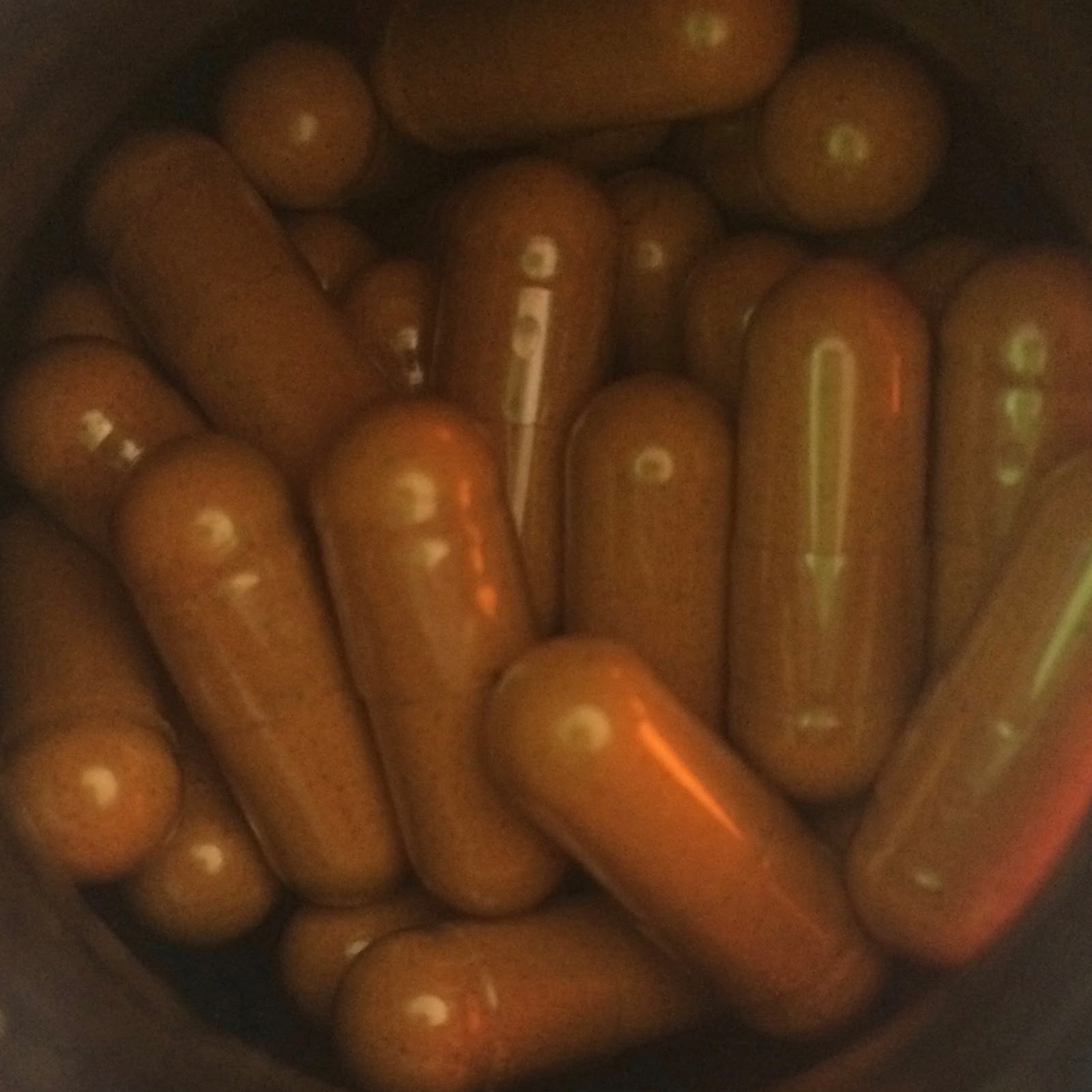
Curcumin is anti-inflammatory and has antibiotic properties - it is the polyphenol that gives the yellow color to turmeric and apparently makes up about 3% of the tumeric. Over 4,500 published studies describe the anti-cancer effects of curcumin. Basically researchers have found curcumin selectively starves tumor cells to death. Wow, wow, wow! Why on earth are doctors not telling us to take this stuff?
Life Extension Magazine website writes: “Curcumin has multiple actions against prostate cancer. It defends prostate cells against the dysfunctional proteins produced during cancer progression. It also slows invasion of nearby healthy tissue by the cancer, which helps to keep the tumor at a lower grade (meaning it grows more slowly and has a better prognosis) (vi)”.
It appears most research studies utilize a dose of 500-1000mg of curcumin per day. However I have recently seen recommendations for much higher doses like 3.2 gms. See also for example the Tumeric for Health website where they recommend 8 intensive weeks; building up to 8 gms per day in the first 4 weeks then continuing with 8gms for the next 4 weeks (vii). I’ve not tried this but have recently increased dosage to 2 gms per day.
It is worth noting to check curcumin supplements; they need to have piperine or other compounds to improve their bioavailability. If not, then you can take the capsules just after taking fats such as olive oil mixed with grounded black pepper.
Update 3/2/19: Reading Michael Greger's excellent book 'How Not To Die' I see there is a section on tumeric. In that, he argues that while curcumin is the active ingredient of tumeric, it maybe only an active ingredient. He quotes research that shows components otherthan curcumin contribute to anticancer activities and maybe even more effective. He argues everyone should be taking daily a quarter of a teaspoon of tumeric, powdered or root (well actually those with gallbladder problems and some others should avoid). In his words "Tumeric is potent stuff."
Update 15/04/19: The downside of curcumin supplements; this reinforces what Gregor says in his book about taking tumeric: https://nutritionfacts.org/2019/04/09/the-downside-of-curcumin-supplements/
Update 15/04/19: Great article on how curcumin targets stem cells:
https://www.canceractive.com/article/how-curcumin%20targets%20cancer%20stem%20cells%20while%20drugs%20make%20matters%20worse
4. Milk Thistle
This herb is good for your liver and has proven epigenetic properties and has been known for over 2,000 years as a liver protector. Research shows that silymarin, the active substance in milk thistle, works on cancer in 7 different ways (viii). Milk thistle has been shown in some studies to suppress the growth and runaway proliferation of human prostate cancer cells (ix).
I’ve used it on and off over the years when in need of a detox but have had a couple of stints with it again to hopefully help tackle the cancer.
5. Echineacea
 |
| Where poss I prefer to use local herbalists for tinctures |
Cancer Research UK says ‘there is no evidence that echinacea can help with cancer’, however some studies in mice have indicated it might be helpful possibly with Melatonin (xi). Certainly there is no robust evidence to support re cancer. However I have used this herb many times to ward off colds and infections; whether this is placebo effect or not I consider, like many others, that it does have abilities to boost my immune system. My main use now is still for giving that extra boost to my immunes system when needed.
6. Boswellia
Frankincense is a sap derived from the tree Boswellia Sacra and has been sold in Oman for nearly 10,000 years. But it is the boswellic acid that contains the antitumoral ingredient; lab studies have shown it can separate the nucleus of a cancer cell from its surrounding cytoplasm. This basically stops the cancer cell reproducing and dividing but has no effect on a healthy cell. Some people have misunderstood the differences and take the frankincense oil instead - which may have some benefits but these are not tested yet (xii). Boswellia serrata is widely used in Ayurvedic medicine and readily available as a supplement.
7. Ashwaganda
Ashwagandha is another Ayurvedic medicine and has been found to balance or lower cortisol and lower inflammation in the body (xiii). I like this as cortisol is the stress hormone and there is no doubt that at times living with cancer is very stressful - let alone other stuff in life!
Research has also shown it can give rise to renewed energy in people possibly as it rebalances thyroid hormone - another reason for me to take it after the 6 months of hormones I took following my treatment in Germany. They certainly messed with lots of me so anything that can help balance, is most welcomed. It is likely also to be very beneficial after operations due to it’s anti-inflammatory properties.
Lastly it has been hypothesized that the flavonoids, alkaloids, and lactones in Ashwagandha could make it an anti-carcinogen. One study also has shown that Ashwagandha treatment “significantly inhibited cell proliferation in a dose-dependent manner.”
I take this in powder form - much cheaper but certainly an acquired taste! Update 20/4/19: see great article by Canceractive: https://www.canceractive.com/article/ashwagandha-reduces-cortisol-and-chronic-inflammation-in-the-body
Update 17/10/20: Just listened to Nasha Winters on the Your Life and Cancer conference and she says: "No on red clover, ashwaganda and maca and google ashwaganda and
prostate cancer—a GREAT big no there…VERY associated with driving cancer
cell proliferation in that population". This is another example of how we need to keep updating our knowledge - I've taken ashwaganda regularly and am sure it helped with cortisol but clearly I will be stopping now. Nasha added re reducing cortisol: "there are better ways to do this. Other adaptogens, like Reishi,
Tulsi, Eleuthro, Rhodiola, lowering sugar intake, meditation, etc." I note the Memorial Sloan Kettering Cancer Center say "not to take if you have hormone-sensitive prostate cancer: Ashwagandha may increase testosterone levels".
Yet others like Curejoy quote (a) research saying ashwaganda can act as "a chemopreventive agent relevant to prostate cancer progression." Other research on mice agrees (b). It does seem ashwaganda can raise testosterone but it also seems to downregulate oestrogen receptor. We also know the evidence around testostorone and prostate cancer is confused; some linking low testosterone with a higher risk of cancer. A 2016 meta analysis of research found no relationship between a man’s testosterone level and his risk of developing prostate cancer (c). So where does that leave us?
8. Selenium
Increased levels of blood selenium lower cancer risk. Chris Woollams at Canceractive writes: ‘Selenium is a trace element, nutritionally essential for humans. Selenium deficiency causes serious problems. It is a constituent of more than two dozen selenoproteins that play critical roles in reproduction, thyroid hormone metabolism, DNA synthesis, and protection from oxidative damage and infection (Sundee et al Modern nutrition in Health and Disease 11th Ed. Philadelphia PA Lippincott, Williams and Wilkins 2012:225-37). In an often mis-quoted meta-review by the Nordic Cochrane Institute in 2011, the conclusions were clear: "Epidemiological studies have suggested an inverse association between selenium status and the risk of colorectal, prostate, lung, bladder, skin, esophageal, and gastric cancer.’
It seems that selenium doesn’t just help prevent cancers, it also possesses the ability to fight them. A key cancer trial was undertaken by the Nutritional Prevention of Cancer Study Group using high-selenium brewers yeast tablet providing 200 mcg of selenium per day with 1312 patients. This study showed reductions in cancer mortality rates, with in terms of prostate cancer a whopping 63 per cent reduction in incidence.
The official Recommended Daily Dose is about 55 micrograms; but I am on 200 micrograms which is thought to be beneficial; above that there is concern. It’s worth noting that the inorganic forms of selenium are less bioavailable than organic forms; selenium yeast maybe an option for some if not concerned by yeast overgrowth.
9. Magnesium

Low blood Magnesium levels and a high Calcium/Magnesium ratio have been shown to be significantly associated with high-grade prostate cancer. This suggests Magnesium affects prostate cancer risk perhaps through interacting with Calcium (x). I understand some 60% of Americans (and no doubt many Brits) are deficient in magnesium and epidemiologic studies suggest that magnesium intake may reduce the risk of certain cancers like colorectal and pancreatic cancer (xi).
I was very low in magnesium in recent blood tests despite lots of leafy veg, nuts and other stuff high in magnesium. I am taking supplementation and also the occasional Epsom salt bath (more of that another time). Baths can be with 2 cups of epsom salts and apparently are a great way to increase intake of Magnesium as it absorbs well through the skin. There are also magnesium sprays which I have never got on so well with as they cause my skin to itch/sting.
10. Zinc
Prostate cells accumulate more zinc than do cells in any other human tissue and it has been shown that the presence of zinc in the body helps suppress tumor growth, especially in the prostate. There are also strong indications that zinc protects against prostate cancer. However it is hard to consider this aspect as blood levels of zinc may not accurately reflect the levels of zinc in prostate tissue.
One study showed that men who supplemented daily with over 15 mg of zinc had a 66% reduction in the risk of having advanced prostate cancer. Another study showed that higher dietary zinc intake was associated with a 36% reduction in the risk of dying from prostate cancer; the degree of protection was even stronger, a 76% risk reduction in men with localized/earlier tumors. Amazingly low-zinc geographic areas of the country often have higher-than-average rates of prostate cancer (xii).
My own blood tests showed low zinc; this was again despite a diet of zinc rich foods. However bearing all this in mind I’m supplementing with zinc.
11. Green tea
When I had treatment in Germany, Green Tea was one of there supplements they recommended. Chris Woollams of Canceractive writes: ‘Green tea has a large number of research studies behind it supporting claims that it can prevent cancer. And increasingly there is a growing volume of research showing it can help fight cancer too. Studies show it can reduce the spread of cancer; and it also seems to have benefits specifically against leukaemia, prostate cancer, breast cancer and others….There is no doubt in my mind that green tea affords a real plus in the fight against cancer.’ (xiii).
There are over 1,000 studies relating to green tea and cancer. In two key trials on men with a high risk of prostate cancer, those taking green tea developed significantly less disease than those on the placebo (ix). There are all sorts of other benefits like such as the polyphenols, called catechins are known to be up to five times more potent as antioxidants than Vitamin E and can stop the uptake of glucose by fat cells. In other words play a small role in starving cancer. Indeed clinical trials show clear benefits, not just for prevention, but in terms of stopping growth and spread of cancer.
The suggestion is 5 or 6 cups per day would be great but the more the better! Even one cup a day was shown to reduce prostate cancer risk by 33 per cent. I drink green tea but am also taking a green tea supplement.
12. Berberine
This is a part of many medicinal herbs and seems quite extraordinary. I would strongly urge reading Chris Woollams’ article at Canceractive (xx) where he sets out the many benefits including how it is stronger than some antibiotics, increases immune response, is as powerful as the drugs metformin and glibenclamide, reduces blood sugar levels and inhibits cancer growth. It can also increase effectiveness of radiation therapy and chemo.
There are over 500 studies of berberine, a number look specifically at the benefits to prostate cancer (xxi). I only came across this supplement after reading Jane McLelland book ‘How to Starve Cancer’ last year and started taking it just before Christmas. It is important to note that because Berberine is as powerful as pharmaceutical drugs there are concerns about long-term usage causing metabolic changes; some suggest 8 weeks at a time. It can also lower blood pressure so again caution (particularly for me who has low blood pressure). I have also read (but only on one website) that it can, in low micro-doses possibly add to cancer (xxii). It is also worth mentioning as some brands, like the one I bought first, have missed guidelines that suggest taking it 15 minutes before food will maximise the impact re glucose levels. These are just some of the warnings; do your research!
Update 10/04/19: See Canceractive article: https://www.canceractive.com/article/Berberine-as-a-cancer-treatment
Update 26/04/19: See article re warnings if you have lung cancer and another reason to really research everything! See here.
Update 15/06/20: a couple more useful articles - one about lowering blood-glucose: https://www.nutriadvanced.co.uk/news/the-benefits-of-berberine-for-blood-glucose-lowering/
and more on how it supports microbiome: https://www.nutriadvanced.co.uk/news/berberine-a-hero-of-the-microbiome-and-beyond/
 |
| My supplement mandela! |
This one is controversial. It has been used, by many as a protection against Type 2 diabetes; nick-named the ‘sugar balance’ pill. Research (not with animals or people), a couple of years ago suggest it could over the long term be a cancer causing chemical (xxiii). However others suggest that cancer has access to sugars because we don’t have the chromium necessary to bind it and help deliver it so the cancer cells can’t get it (xxiv). More research is needed to see if it can alter cancer risk.
I have taken this supplement in liquid form as in the early days of my no sugar diet I would get sugar cravings. I think it helped balance and I may well use it again, but I also try and maximise my dietary chromium; whole grains, nuts, broccoli, and green beans are all good.
14. Holy Basil
This was strongly recommended by Chris Woollams who writes on the Canceractive website: ‘Various studies have shown their epigenetic effects with cancers like lung, pancreatic, breast, prostate, oral and skin cancer. They have been shown to perform a variety of anti-cancer functions – for example, they increase antioxidant activity, alter gene expression, induce apoptosis, and inhibit angiogenesis and metastasis…..there is research that suggests Holy Basil could be a really effective agent in protecting healthy cells during chemo- and radiotherapy’ (xxv)
I’ve not started taking this yet but plan to make it part of my regime.
15. Iodine
Correct iodine levels are important and it is well documented that a shortage can lead to fatigue and poor thyroid function. Breast cancer, prostate cancer and colorectal cancer patients have clear and recorded benefits from the supplementation of iodine but there are also some risks if deficiency is not proved first (xxvi). Update 7/08/19: one of the folks that has written lots on iodine is Dr. David Brownstein, he argues it is key to our health: https://youtu.be/c8Y800-xEXU
Research has been shown that prostate cancer cells take up iodine easily and it can cause apoptosis. There also seems to be a particularly large amount of stories online claiming iodine cures cancer but much less in the way of actual evidence. Chris Woollams from Canceractive says: ‘Iodine deficiency, thyroid performance and cancer - there is something here, definitely. But quality research is often circumstantial, and mainly with animals and/or in vitro.’
One surprise in my recent tests was that I have a very low iodine level. There are very clear disagreements among scientists about what are correct levels. I have been advised and am now taking Lugol’s solution; this has the two types of iodine that the body uses and it was used with people around Chernobyl after the disaster. Of course this supplementation will need careful reviewing and the thyroid monitored. I could also look at the foods I’m eating; a wee sprinkle of kelp for example can be wonderful in soups.
Another factor is that many consider it important to take other nutrients like selenium and unrefined salt alongside the iodine. One doctor, Michael B. Schachter, says, “Iodine may be needed in individualized doses to improve thyroid function, immune function, and the optimal functioning of all the cells in the body; several associated nutrients need to be given including vitamin C, selenium, magnesium, unrefined salt, and sufficient water; these help to prevent strong detoxification reactions as a result of the release of bromine from the tissues when iodine is given in milligram quantities. These higher milligram doses rather than microgram doses help to enhance anti-cancer functions in most if not all cancers, but certainly in cancers of the thyroid, breast, ovary, and prostate.”
16. Indole 3 Carbinol

Indole 3 Carbinol (I3C) is found in cruciferous vegetables (cabbage family) but actually that is Indole 3 glucosinolate (I3G). I3G isn’t really so much anti-cancer but when you cut, chew or cook lightly, an enzyme is released and this changes the I3G into I3C - and there is lots re it’s anti-cancer properties - indeed over 120 peer-reviewed scientific studies.
I understand that I3C is pretty unstable and most of it converts in the intestine to its metabolites Diindolymethane (DIM) and indole carbazole (ICZ). Chris Woollams writes (xxvii): ‘I3C, DIM and ICZ are all absorbed into the bloodstream and any or all could be active, separately or in conjunction, in the real world….Most of the current research data is linked to the prevention and even treatment of hormonally-driven cancers, like prostate and breast cancer, but there is research with other cancers and the lowering of cardiovascular, diabetes and obesity risk.’
It has been shown to be so effective that some have dubbed it a ‘safer Tamoxifen’. So there is loads of evidence to support eating lots of cruciferous vegetables. Chris Woollams comments that we should ‘also take probiotics or your body will be unable to fully release the bioactive natural goodness, especially if you have been taking drugs, antibiotics or had recent surgery’. Update 17.05.19: Article re support for I3C: https://news.harvard.edu/gazette/story/2019/05/beth-israel-researchers-uncover-anti-cancer-drug-mechanism-in-broccoli/?fbclid=IwAR2Hw1OZBrbURI9RKxA1Znnk2O_7pLjXW-bszzHMK2kTzdFX2plAOejaf64
Well I’m doing well with kale, broccoli and all but am also currently supplementing with I3C. This is in part because I understand that IC3 has been helpful to lower estrogen levels - my levels are too high - no doubt a result of taking those hormones for 6 months. Interestingly as I write this I hear about a newer Chinese herb called Myomin that is apparently even more beneficial because it lowers estrogen further up the pathway.
17. Other supplements
Oh my the list is endless but others I’ve used or will consider include PomiT, Beta Glucan, Artemisinin, Melatonin, Colloidal Silver, Laetrile, Horsetail and Modified Citrus Pectin.
The charity Yes to Life have kindly posted this blog on their website here.
Notes
(i) https://www.canceractive.com/article/the-12-best-supplements-to-fight-cancer
(ii) https://www.ncbi.nlm.nih.gov/pmc/articles/PMC4747876/
(iii) https://www.chrisbeatcancer.com/vitamin-d-the-1-anti-cancer-vitamin/
(iv) https://www.lifeextension.com/Magazine/2015/11/Boron-Reduces-Prostate-Cancer-Risk/Page-01
(v) https://www.ncbi.nlm.nih.gov/pubmed/?term=curcumin+and+cancer
(vi) https://www.lifeextension.com/Magazine/2018/SS/Curcumin-Starves-Cancer-Cells-to-Death/Page-01
(vii) https://www.turmericforhealth.com/general-info/turmeric-curcumin-dosage-for-cancer-a-scientific-plan
And https://www.canceractive.com/article/curcumin-or-turmeric-as-a-natural-cancer-treatment
(viii) https://www.cancer.gov/about-cancer/treatment/cam/hp/milk-thistle-pdq
(ix) https://www.lifeextension.com/Magazine/2005/11/report_prostate/Page-01
(x) https://www.cancerresearchuk.org/about-cancer/cancer-in-general/treatment/complementary-alternative-therapies/individual-therapies/echinacea
(xi) https://www.ncbi.nlm.nih.gov/pmc/articles/PMC1193558/
(xii) https://tisserandinstitute.org/frankincense-oil-and-cancer-in-perspective/
(xiii) https://www.canceractive.com/article/ashwagandha-reduces-cortisol-and-chronic-inflammation-in-the-body Genomic Analysis Highlights the Role of the JAK-STAT Signaling in the Anti-proliferative Effects of Dietary Flavonoid—‘Ashwagandha’ in Prostate Cancer Cells https://www.ncbi.nlm.nih.gov/pmc/articles/PMC2862933/
(xiv) https://www.canceractive.com/article/selenium-and-cancer
(x) https://www.ncbi.nlm.nih.gov/pubmed/21541018
(xi) https://www.cancertherapyadvisor.com/fact-sheets/magnesium-cancer-fact-sheet/article/683990/
(xii) https://www.lifeextension.com/Magazine/2015/5/New-Studies-Reveal-Importance-of-Zinc-In-Maintaining-Prostate-Health/Page-01
(xiii) https://www.canceractive.com/article/green-tea-chronic-illness-and-cancer
(ixx) https://www.cancer.gov/about-cancer/treatment/cam/patient/prostate-supplements-pdq#section/_175 And https://www.lifeextension.com/Magazine/2017/7/As-We-See-It/Page-01
(xx) https://www.canceractive.com/article/Berberine-as-a-cancer-treatment
(xxi) https://www.ncbi.nlm.nih.gov/pubmed/19704371
(xxii) https://www.mygenefood.com/micro-dosing-berberine-good-idea-bad-idea/
(xxiii) https://www.abc.net.au/news/2016-01-11/chromium-could-cause-cancer:-study/7081730
(xxiv) https://thetruthaboutcancer.com/video-six-super-foods-nutrient-deficiency/
(xxv) https://www.canceractive.com/article/holy-basil-ursolic-acid-and-cancer
(xxvi) https://www.canceractive.com/article/iodine-and-cancer and https://thetruthaboutcancer.com/low-iodine-cancer/
(xxvii) https://www.canceractive.com/article/Indole-3-Carbinol---the-safer,-natural-Tamoxifen
https://www.ncbi.nlm.nih.gov/pubmed/15570059
https://www.lifeextension.com/Magazine/2006/1/report_i3c/Page-01
(a) https://www.curejoy.com/content/ashwagandha-for-cancer-treatment/